


Ownership, Advocacy, and AI: Takeaways from PHA 2026
05
Oct
2026


Michael Winkleman, CMO, Surgical Management Professionals
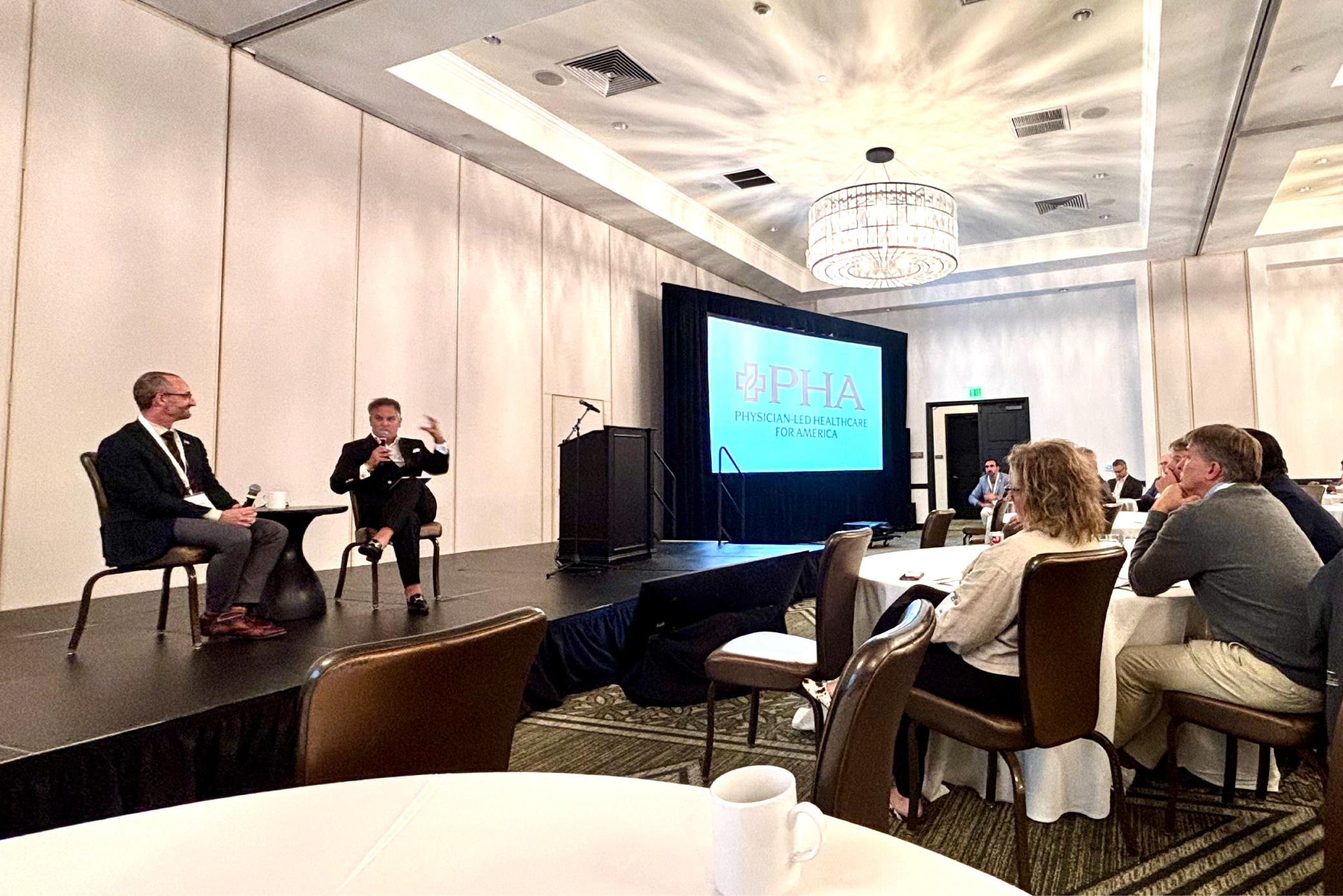
The physician-led movement is gaining ground. That was clear from the moment our CEO, Greg Thompson and I walked into the PHA Leadership Summit in Napa last week.
SMP was there as a PHA Supporter, and I came home with more notes than I expected. Here’s what stuck with me.
The policy news is better than I expected.
For years the physician-owned hospital issue felt stuck. It isn’t anymore. This year, insurance company CEOs sat in front of Congress and agreed that physician-led hospitals increase competition. In March, Dr. Anthony DiGiorgio testified before House Energy & Commerce and made the case for lifting the ban, alongside the chair of the AMA board.
CMS has also started opening the door, asking for input on letting physician-owned hospitals join the TEAM payment model and signaling more to come. Nobody’s calling it a win yet. But it’s the first real movement in a long time, and you could feel it in the room.
Dr. Elisabeth Potter’s talk.
If you ever get the chance to hear her speak, go. She’s a reconstructive surgeon in Austin who takes insurance because women with breast cancer need someone who will. An insurer pulled her out of an active surgery to justify a patient’s hospital stay. She talked about it publicly, got a threatening legal letter for it, and didn’t back down.
What stuck with me wasn’t the fight, though. It was her advice. Tell the specific story. Make sure you’ve earned the credibility to tell it. And think about the patients beyond the one in front of you. For anyone in healthcare marketing, that’s basically the whole playbook.
Ownership matters.
Monday morning had a session on captives and balance sheet strategy with Dr. Paul Slosar, Dr. Jamie McAtee, and Dutch Rojas. It sounds dry. It wasn’t.
Dr. Slosar said something I keep coming back to. Most practices pay out everything at the end of the year and start the next one at zero. Almost no other business runs that way. Dr. McAtee talked about how small groups in Manhattan, Kansas share an employment and benefits platform through MedMerge so they can buy like a big system and still run their own practices. And Dutch, who has more energy than anyone I’ve ever met, kept coming back to the same idea: physicians should own a real stake in what they build.
That’s a big part of why SMP exists. Whether a center is fully physician-owned or a joint venture with a health system, physicians having real ownership and a real voice makes it better for everyone, patients included.
Lincoln, Nebraska.
Dr. Brandon Webb’s session was called “Partnering with Employed,” and it was one of the most practical talks of the weekend. He shared how independent practices in Lincoln came together into a federation, kept their own practices, and built a physician-owned ACO that sends most of its savings back to the doctors. Then they figured out how to work alongside the employed physicians and health systems in their market instead of against them. Lincoln Surgical Hospital even plugged that network into its own employee health plan and lowered premiums.
His line was that everyone on the receiving end of healthcare dollars should be working together, not fighting each other. I wrote that one down.
AI, with a healthy dose of caution.
Tuesday was all AI. The most useful part for me was Dr. DiGiorgio and Dr. Chiraag Kulkarni being honest about it. AI scribes help doctors look at patients instead of screens, but they haven’t really saved much time yet. Dr. DiGiorgio compared it to electronic records, which were supposed to make everything faster and mostly made physicians miserable. Dr. Kulkarni’s point was that AI is coming into care delivery regardless, so physicians need to help shape it.
My takeaway: organizations that move quickly and put physicians at the center of the decision will get the most out of it.
Everything else.
There was a lot more than I can fit here. Congressman Ami Bera, MD gave the Sunday keynote. Asbel Montes and Dr. Brian Miller talked payment policy. Dr. Gloria Sachdev covered what states are doing on competition and pricing. Dr. Adam Bruggeman did double duty on CMS’s new bundled payment models and the No Surprises Act, which is working for patients but still lets insurers dodge paying arbitration awards. There was also a great session called “To JV or Not to JV?” on how physicians and partners structure joint ventures, which is a conversation we have with our centers all the time. Add in sessions on de novo projects, revenue cycle, spine at the ASC, and Stark Law with Amber Walsh, plus a very good afternoon at Ashes & Diamonds.
Why we support PHA.
PHA’s main fight is repealing the ban on physician-led hospitals, and it’s backing the Physician-Led and Rural Access to Quality Care Act (H.R. 2191/S. 1390) to do it. That matters for patients, especially in rural communities, and it lines up with everything SMP believes about physician leadership.
If you’re a physician owner, join PHA, support the PHA PAC, or share their My Care in My Community campaign with your patients so they can tell Congress what their care means to them.
Thanks to Stacie Monroe, Bobby Hillert, the PHA board, and everyone who spoke. See you in Coeur d’Alene next September.
